
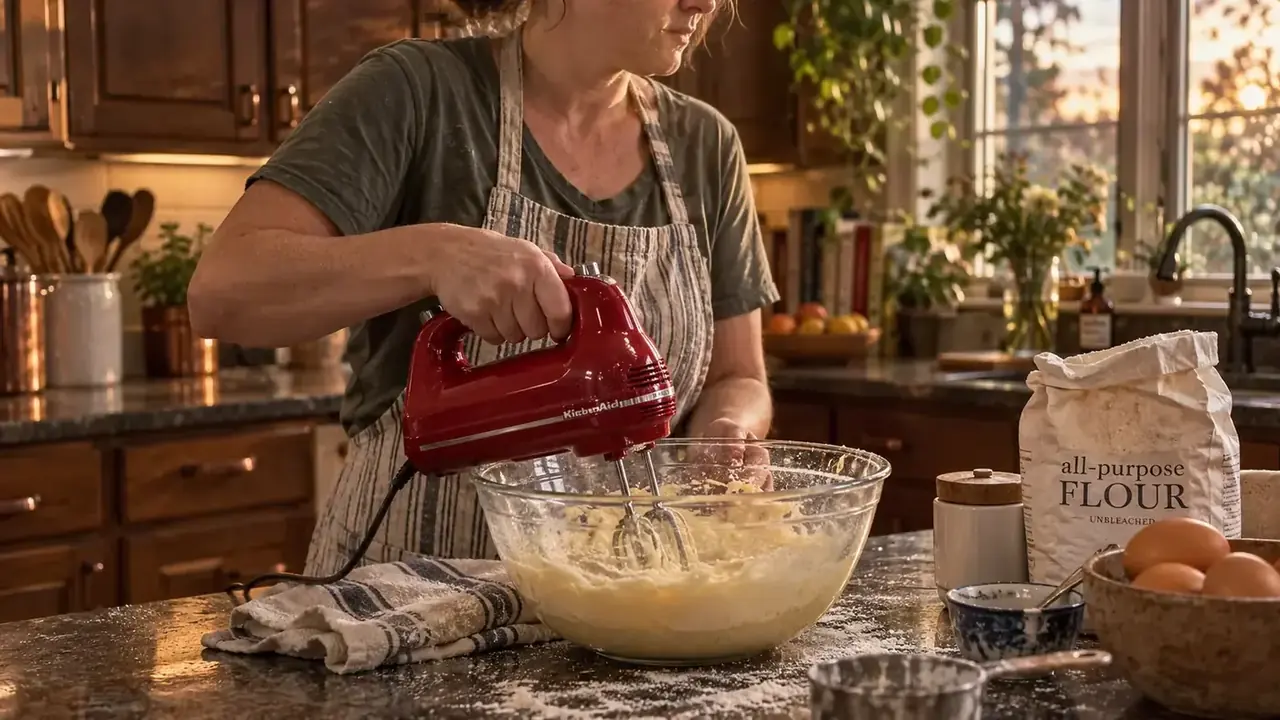
My forearm used to give out before the cake even made it into the oven. Creaming butter and sugar by hand with a whisk sounds old fashioned and almost charming, right up until you're forty strokes in with a birthday cake due in two hours and your wrist has already quit on you. That's the real drawer test I run on every gadget in my kitchen: does it earn its space, or does it just take it up. My KitchenAid hand mixer passed that test in the first week and it hasn't left the counter rotation since.
I bought the KitchenAid 5 Speed hand mixer three years ago, the week after my mother in law whipped a bowl of egg whites into stiff peaks in under two minutes while I was still stirring across the table with a fork. Ten years of leaning on a whisk for everything from meringue to mashed potatoes finally caught up with me. The KitchenAid mixer didn't just speed things up, it changed what I was willing to attempt on a Tuesday night, and here are the ten reasons it beat the whisk out of my utensil drawer for good.
Still creaming butter by hand until your wrist gives out?
This is the exact hand mixer that's been doing my weeknight baking since three cakes ago. Check today's price and see if it fits your drawer.
Amazon Check Today's Price on Amazon →It creams butter and sugar in under a minute
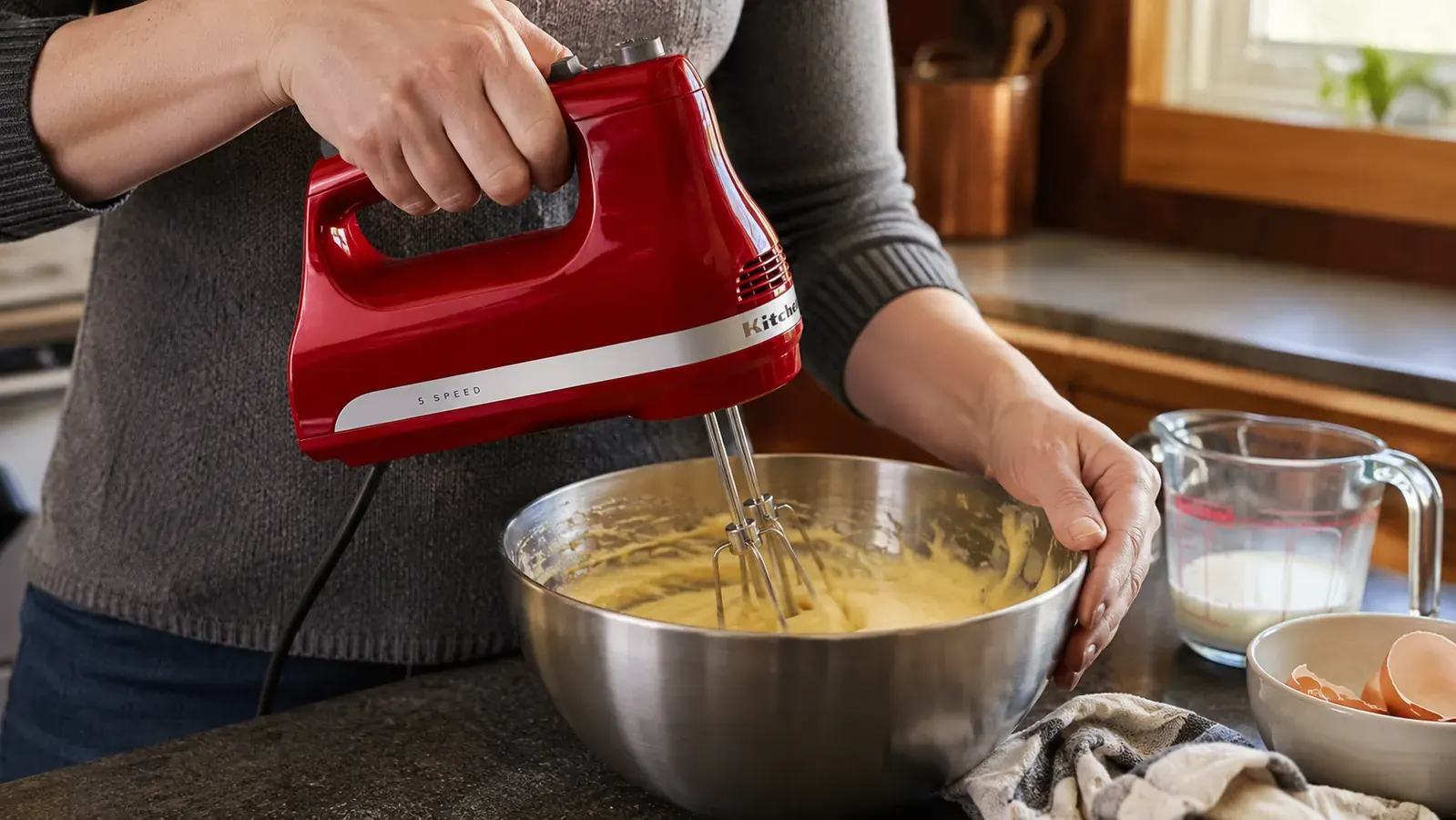
Softened butter and sugar look easy to combine with a whisk until you actually try it. The whisk wires just push the mixture around instead of breaking it down, and you end up with sore knuckles and a bowl of half-blended lumps. The mixer's flat beaters cut through cold-ish butter in about forty-five seconds and leave the mixture pale and fluffy, which is the whole point of creaming in the first place. That step alone used to eat ten minutes of my patience before I even got to the flour.
It whips egg whites without a forearm cramp
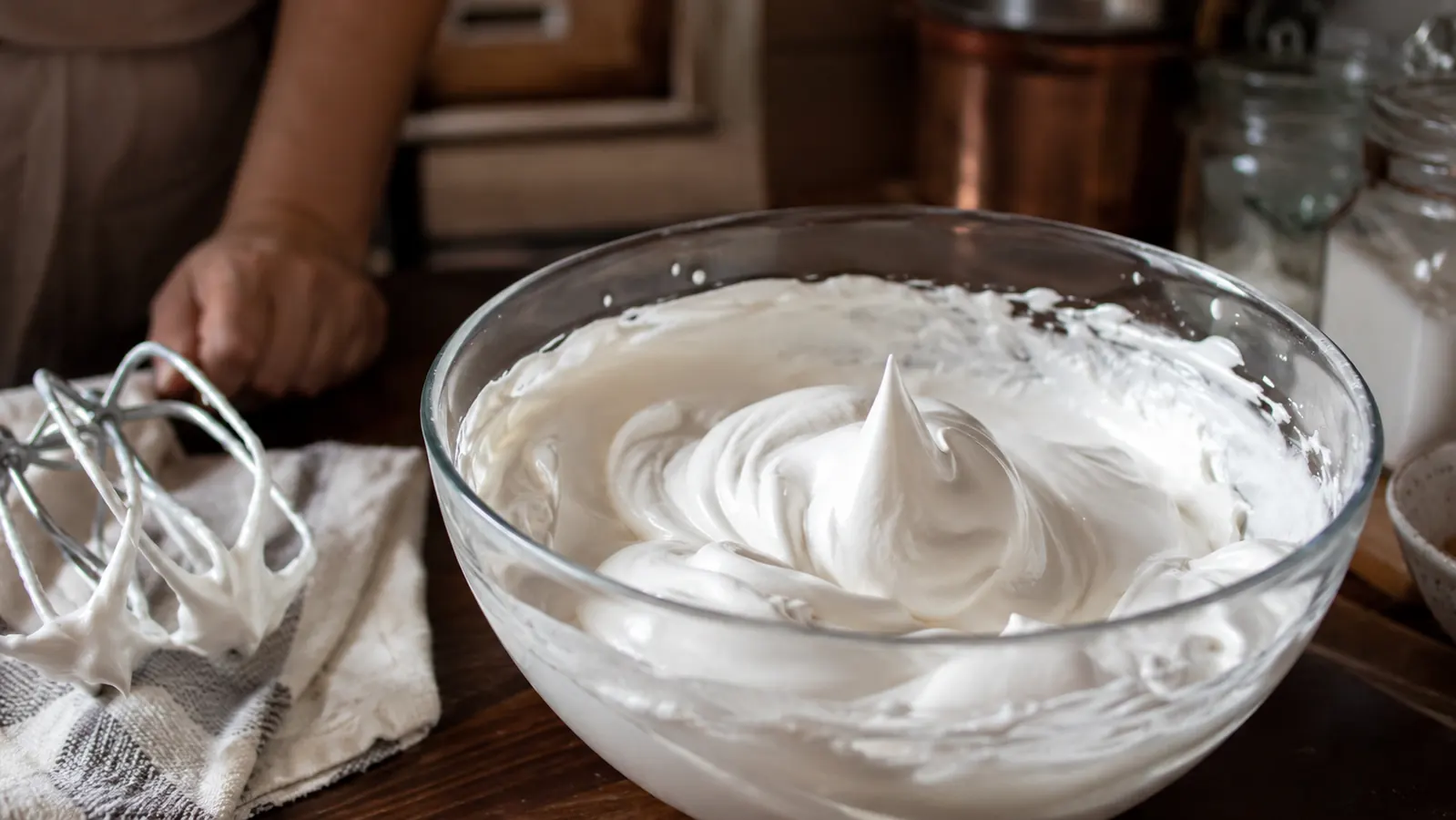
Stiff peaks by hand take somewhere around eight to ten minutes of steady circular whisking, and most people give up around minute four with soft, weepy peaks that won't hold. A hand mixer gets there in ninety seconds on high, and the peaks actually stand up straight when you lift the beater out. I stopped avoiding meringue-based desserts entirely once this stopped being a forearm workout every time.
Five speed settings mean I'm not guessing
A whisk only has one setting, whatever speed my arm feels like giving it that night, which changes depending on how tired I am. The mixer's dial goes from a slow fold-in speed for dry ingredients to a fast whip for cream, and I can adjust mid-bowl without stopping to switch tools. Consistent speed means consistent results, cake after cake, instead of batter that's overmixed one week and undermixed the next.
The beater attachments swap for different jobs
One set of flat beaters handles cake batter and frosting, and the wire whisk attachment clips on in about three seconds for whipped cream or egg whites. A single whisk can't do both jobs well, it's either too flimsy for thick batter or too clunky for delicate whipping. Having the right attachment for the job is the difference between frosting that's actually smooth and frosting with butter chunks still visible.
It handles stiffer cookie dough without stalling
Whisks basically give up on anything past a loose batter, which is why most whisk-only recipes stop at pancake mix. Chocolate chip cookie dough, with brown sugar and cold butter fighting each other, needs real torque to come together evenly. The motor pushes through that stiffness without bogging down, and I'm not left with pockets of unmixed flour hiding at the bottom of the bowl like I used to get stirring by hand.
Batter comes out smoother, with fewer lumps
A whisk moves ingredients around a bowl more than it actually blends them, especially with dry pockets of flour or cocoa powder hiding near the edges. The beaters reach the sides and bottom more consistently because the motor keeps a steady rotation going the whole time, not just wherever my wrist happens to swing. My cakes stopped coming out with those little white flour streaks running through a slice.
It cuts prep time enough to actually bake on a weeknight
Baking from scratch on a Tuesday only happens if the prep doesn't eat the whole evening. Shaving five or six minutes off creaming and whipping doesn't sound huge, but it's the difference between a batch of cupcakes fitting into a school-night routine and getting pushed to the weekend, again. I bake more often now simply because the mixing part stopped being the bottleneck.
Cleanup is two beaters, not a whisk full of dried batter
A whisk traps dried batter in every gap between the wires, and scrubbing it out with a sponge corner is one of my least favorite five-minute chores. The beater attachments pop off the mixer and go straight into the dishwasher's top rack, no scrubbing required. It's a small thing, but small things are what actually decide whether I bake again next week or put it off.
It's light enough to hold one-handed while adding ingredients
Stand mixers free up both hands, but they also take up permanent counter real estate I don't have next to the coffee maker and the toaster. A hand mixer weighs about three pounds, light enough to hold in one hand while I'm pouring in vanilla or scraping down the bowl with the other. That kind of one-handed control isn't something a heavy stand mixer or a two-handed whisking motion gives me.
It stores flat in a drawer instead of hogging a shelf
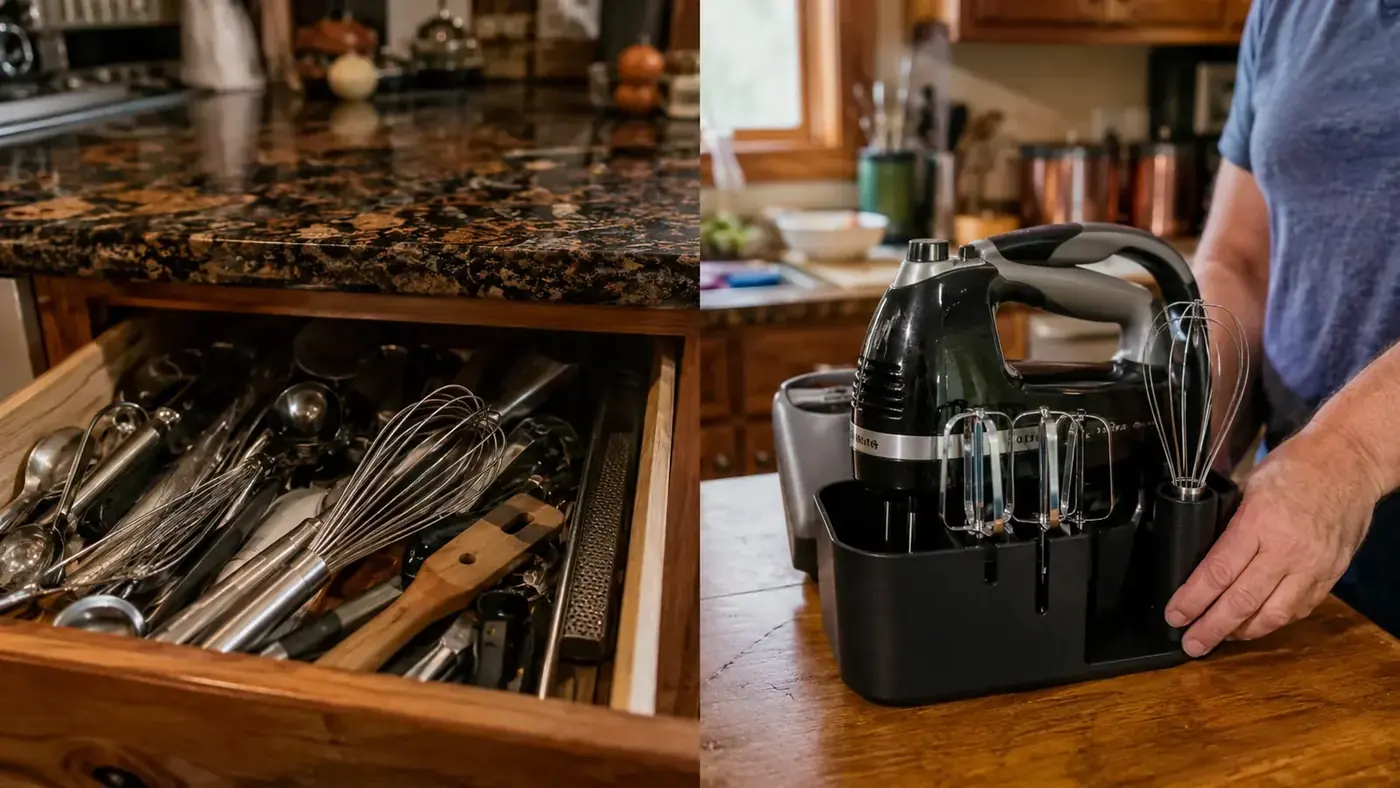
This is the reason it actually gets used instead of gathering dust in a cabinet. The mixer and its attachments lie flat in my utensil drawer right where the whisk used to live, so pulling it out takes the same three seconds as grabbing the old tool. If a gadget needs its own shelf or a trip to a high cabinet, it doesn't get used on a rushed weeknight, plain and simple.
What I'd Skip
I won't pretend a hand mixer replaces a whisk for everything. For folding delicate ingredients into whipped cream, like fresh berries or chocolate shavings, I still reach for the whisk so I don't deflate all that air I just worked to build. And for small jobs, whisking a single egg for an omelet or loosening a tablespoon of gravy, dragging out the mixer and finding an outlet is more effort than it's worth. The mixer earns its keep on the jobs that take muscle and time, not the ten-second ones.
It's not the prettiest tool in my drawer. It's just the one that saves my wrist every single time I bake.
Ready to give your forearm a break?
If your baking routine still runs on a whisk and stubbornness, this is the hand mixer that changed mine. Take a look at today's price.
Amazon Check Today's Price on Amazon →